




Rolled gym flooring vs. interlocking tiles: choosing the best option for your gym
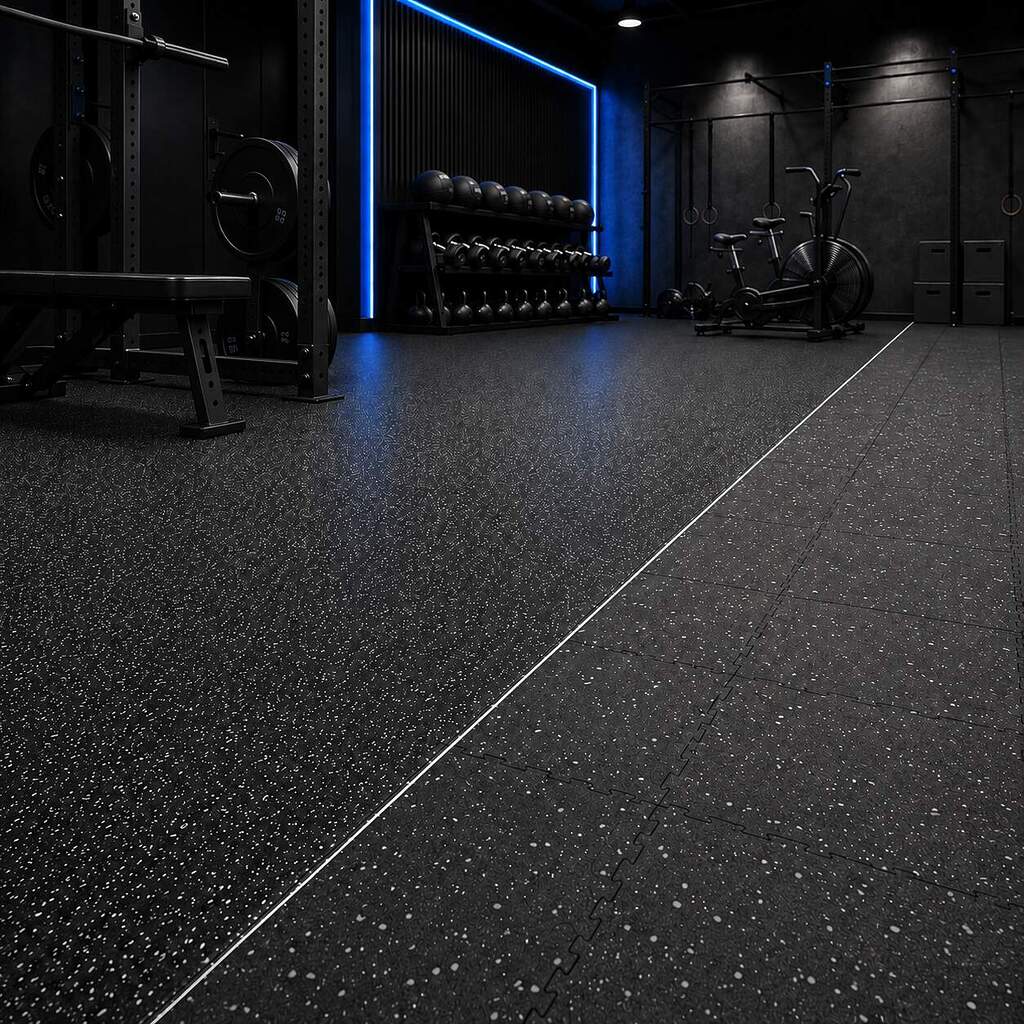
Choosing gym flooring is rarely just about material, thickness or colour. The installation format matters just as much. It shapes how a space looks, how fast it can be fitted, and how easily it can be maintained or reconfigured once the gym is up and running.
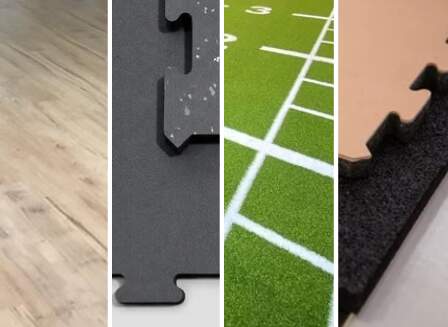
Two formats dominate commercial projects: rolled gym flooring and interlocking tiles. Both can deliver a safe, resistant, professional-grade surface. But they are built to answer different questions, and the right choice depends less on preference than on how a specific area is actually used.
Why flooring is never just a background decision
Rolled flooring is bonded to the subfloor in long, continuous sections — a permanent, fully adhered installation.
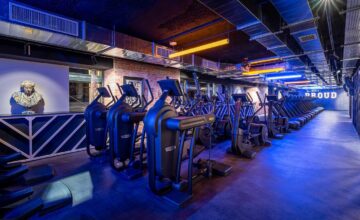
- Best suited to large, open areas with simple layouts like cardio zones, cycling studios or fitness rooms, where a broad, uniform surface matters more than modularity.
- The trade-off is time. Bonding requires a clean, level, properly prepared subfloor, and installation typically runs in stages.
- Best fit: new builds or refurbishments where the schedule allows for it.
- Fewer joints, cleaner sightline, most used where visual consistency matters as much as performance.
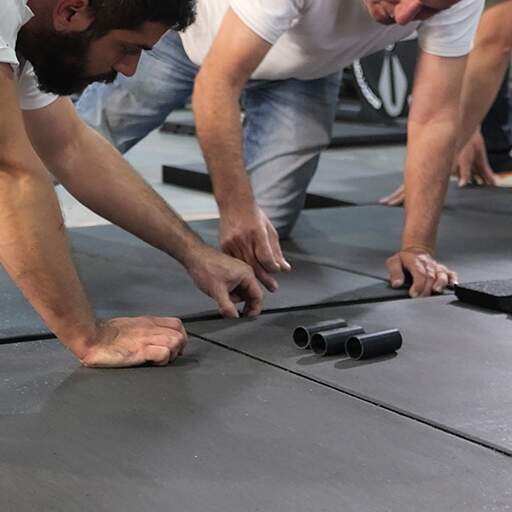
Interlocking tiles are typically installed without bonding the full surface — the modules connect to each other instead, which changes both how quickly the floor goes in and how easily it can be adapted later.
- Faster to install, which shortens installation windows and limits disruption in clubs that need to stay open.
- More adaptable to layout, making them easier to fit around columns, corners and irregular perimeters.
- Useful for zoning, visually separating strength, functional and circulation areas within the same facility.
- Easier to repair and replace: a worn or damaged section can be replaced on its own, without touching the rest of the floor. With rolled flooring, a local repair usually means cutting into the surface and trying to match the finish around it.
Format is only part of the specification
Choosing between rolled gym flooring and interlocking tiles is only the first step. Format determines how the floor is installed and managed, but the material and engineered design behind it are just as important when it comes to performance, durability and suitability for each training area.
Rolled gym flooring is commonly manufactured from recycled rubber or PVC-based materials, while modular tiles allow for a broader range of material options, including recycled rubber, virgin rubber and PVC-based solutions. This does not make one format inherently better than the other. Each combination of material, thickness, surface finish and format is designed to respond to different requirements.

This is why each zone should be specified according to the activity taking place above it. A rolled solution such as Rec Rub can be a practical fit for cardio, cycling and studio areas, where broad coverage, regular foot traffic and equipment stability are key considerations.
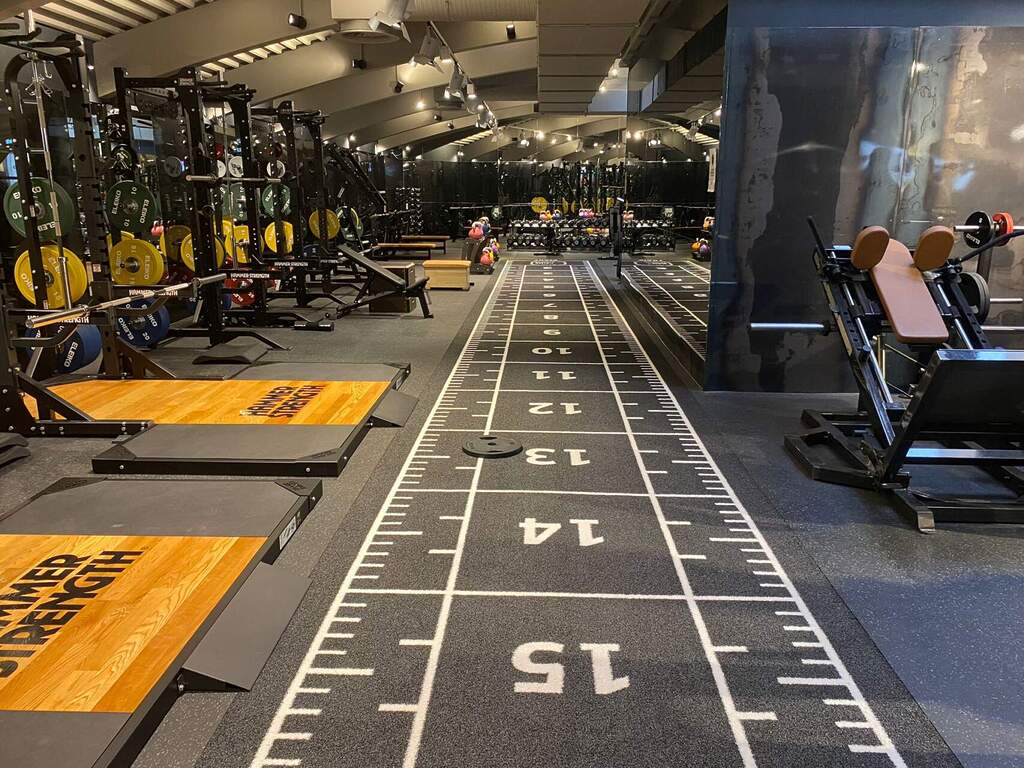
Modular tiles, on the other hand, can be particularly suitable for areas exposed to repeated impact or where greater flexibility over time is valuable. Extreme S&S and Endurance S&S, for example, are designed for free-weight areas, combining impact performance with the possibility of replacing individual sections if localised damage occurs.
Pavigym’s UltraLock System: precision where flexibility matters
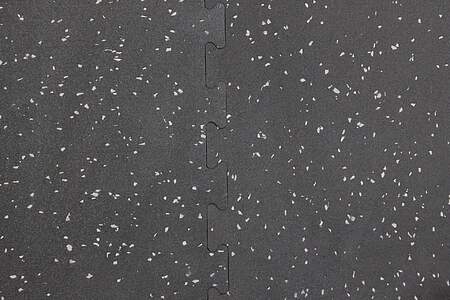
For zones where change is more likely than continuity, Pavigym’s UltraLock System is built around a different priority: a tight, precise connection between tiles that keeps them aligned, minimises visible seams and limits liquid entry through the joints, without affecting the porosity of the surface itself.
Because UltraLock allows compatible flooring to be installed without bonding the entire surface, fitting is faster and less disruptive than a fully glued system. But the real advantage plays out over time, not on installation day. A facility can replace a worn section, extend a zone, or rework a layout without ever touching the rest of the floor. That makes it particularly relevant for fitness chains, leased premises, and any club that expects its concept to evolve.
Do the two formats have to compete?
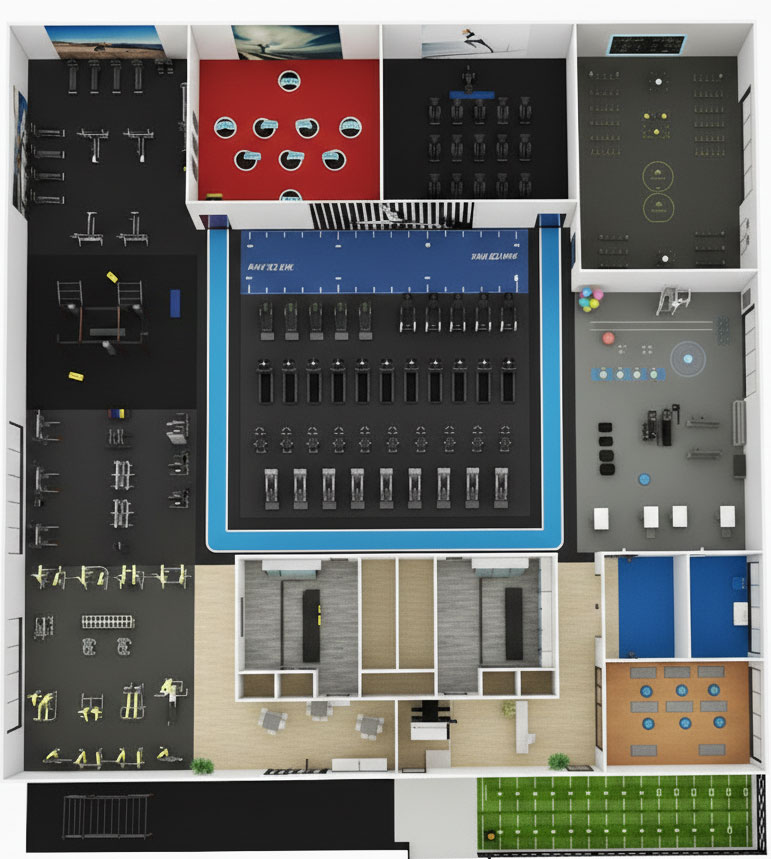
Not necessarily. In many facilities, the better answer is to use both, applying each format where it plays to its strengths rather than treating the decision as all-or-nothing.
What this approach demands is planning: transitions, thicknesses and floor levels need to be worked out in advance so the different surfaces meet cleanly and the facility still reads as one coherent space, rather than a patchwork of decisions made zone by zone.
Making the call for your gym
There is no universal answer here, only the right product for each area. The most reliable approach is to assess each zone on its own terms, and let its activity, not a general preference for one format, decide the floor.
Explore the Pavigym Flooring Guide to find the right solution for every area of your facility, or get in touch with the Pavigym team to talk through your next project.